

Building a Transitional Home in Denver: How to Modernize Without Losing Character
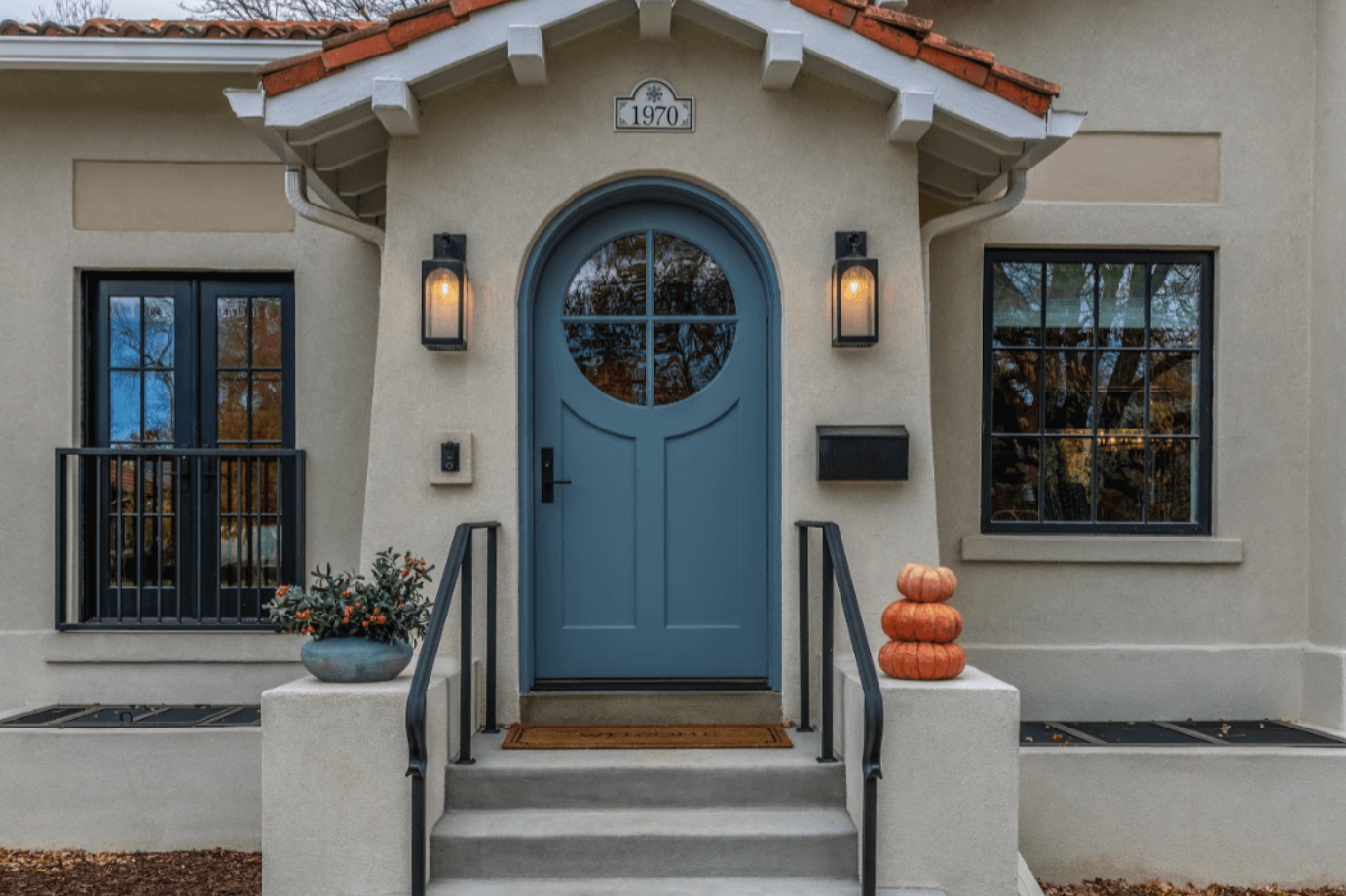
Not every homeowner wants an ultra-modern home. In many Denver neighborhoods, the goal is to create a home that feels updated and functional while still fitting naturally within the character of the surrounding area.
Sometimes that means thoughtfully renovating an older home. Other times, it means starting fresh with a custom build designed to feel timeless and connected to the neighborhood around it. That balance is what defines transitional design.
In neighborhoods like Park Hill, Congress Park, LoHi, the Highlands, and City Park, many homeowners are looking for ways to modernize older homes or build new homes that feel appropriate to the surrounding architecture without losing warmth or character.
What Is a Transitional Home?
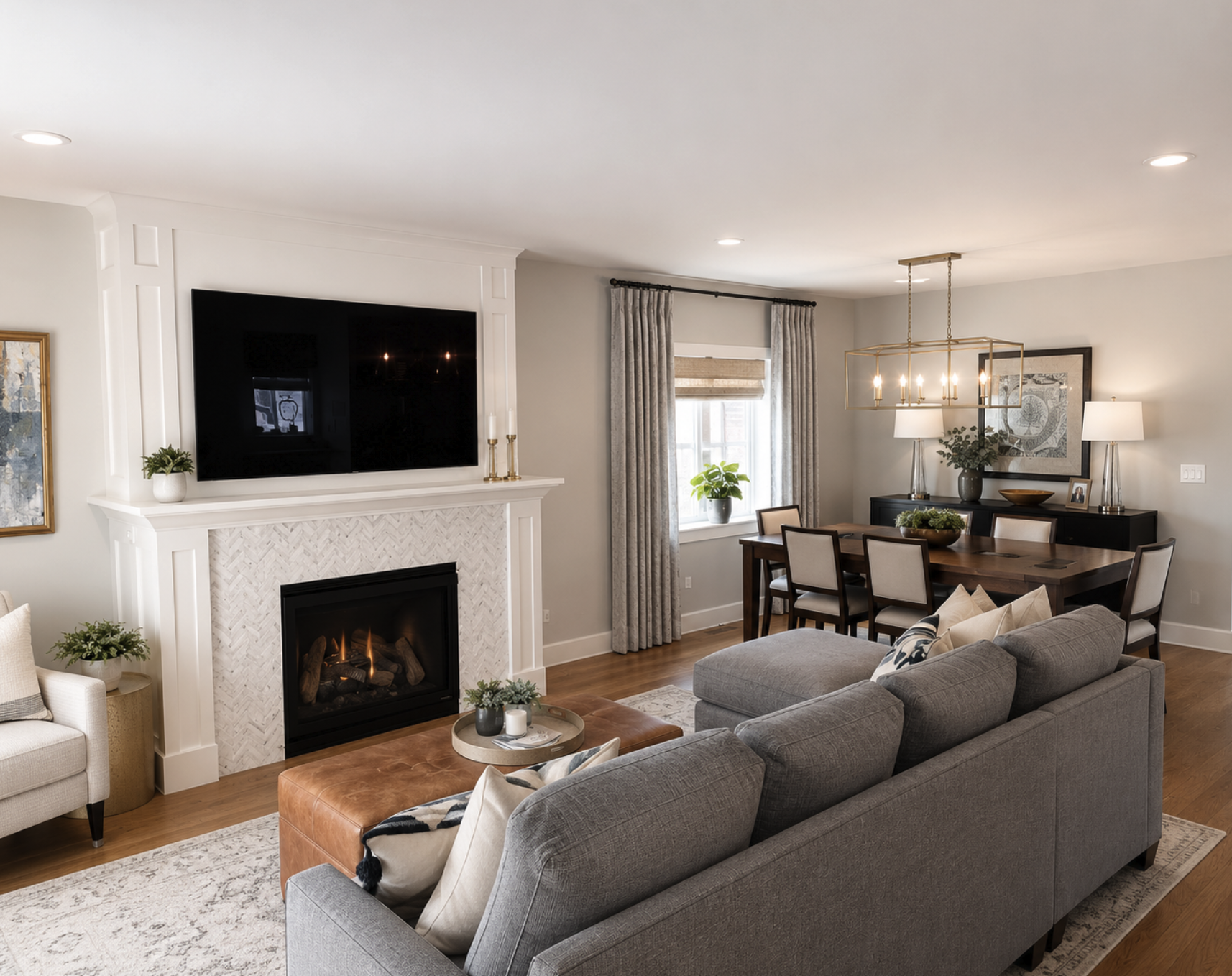
Transitional homes blend traditional architectural character with cleaner, more updated finishes and functionality.
Some of the defining elements of transitional homes include:
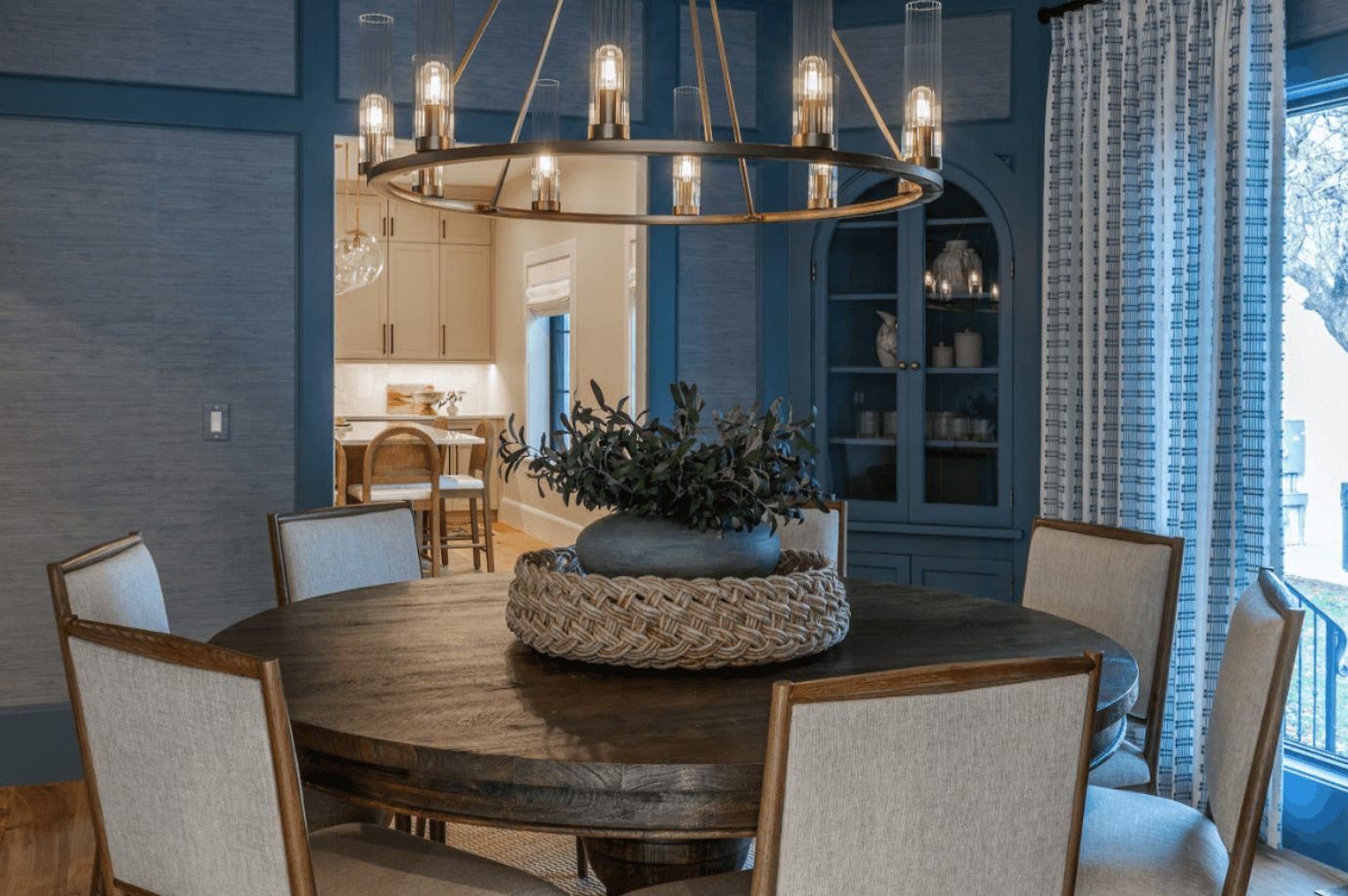
Preserved millwork and trim
Original door casings and architectural details
Warmer, timeless materials
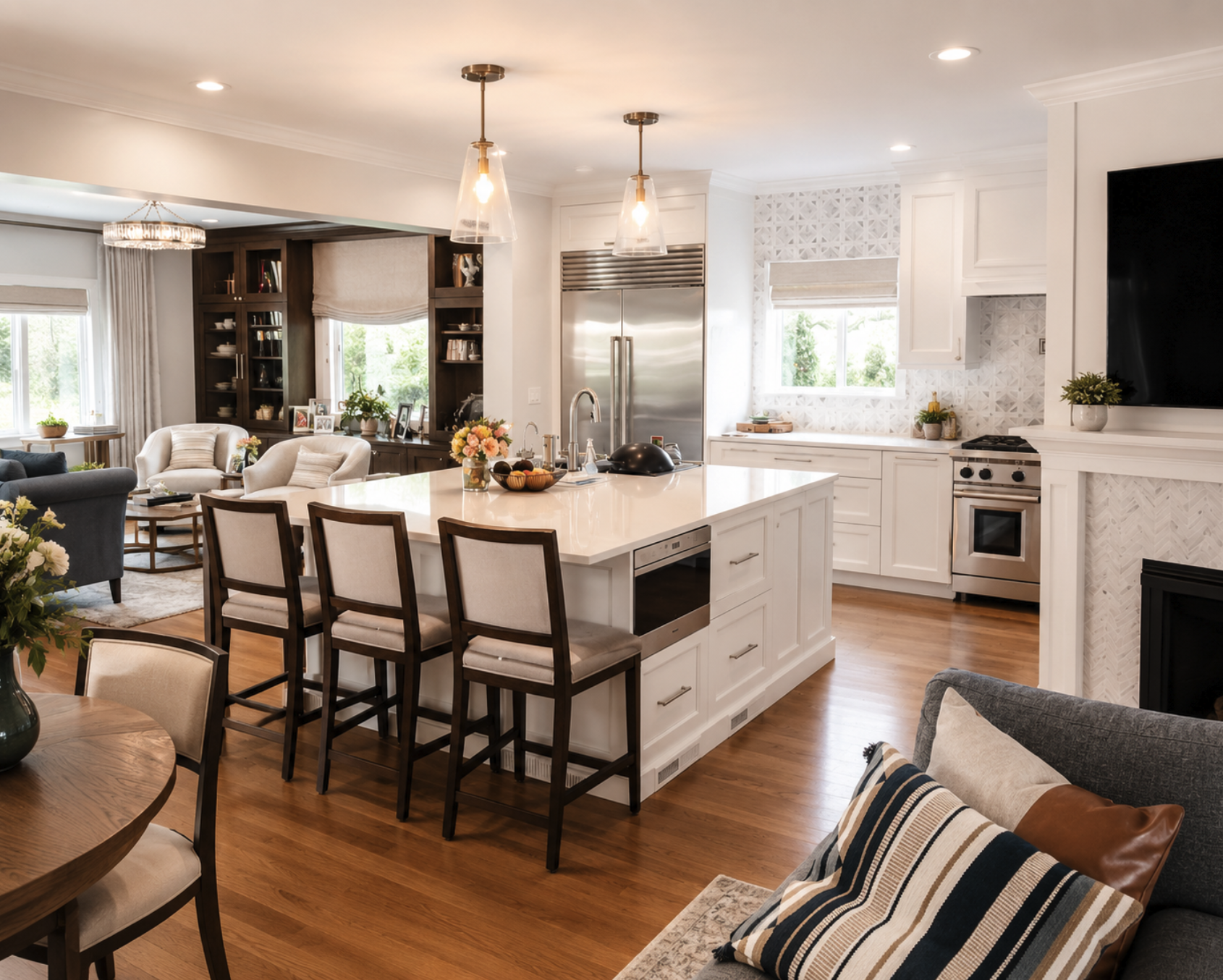
More open and functional layouts
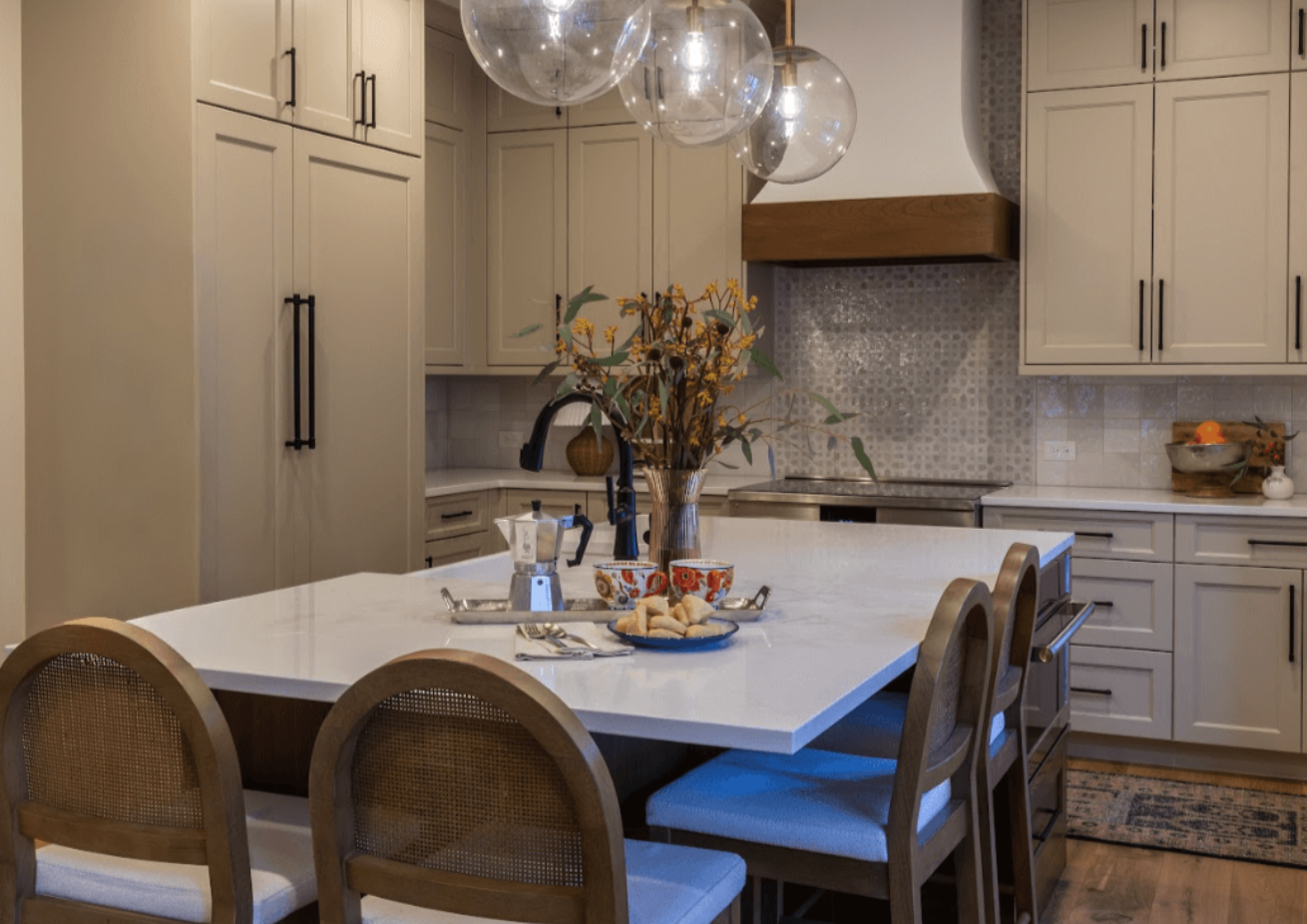
Updated kitchens and bathrooms
Modern flooring and cabinetry that still feel appropriate to the home
Unlike contemporary homes, transitional homes are less about making a bold statement and more about creating balance.
Recent projects we’ve worked on like The Sinclair and The Juliette reflect this approach by blending updated layouts and finishes with architectural details that still feel connected to the surrounding neighborhood.
Why Transitional Design Works So Well in Denver
Denver has a large inventory of older homes with strong architectural character. Many homeowners want to preserve the character and heritage of these neighborhoods while improving how their homes function for modern living.
That may mean restoring original architectural details during a remodel, or designing a completely new custom home that feels timeless and connected to the neighborhood around it.
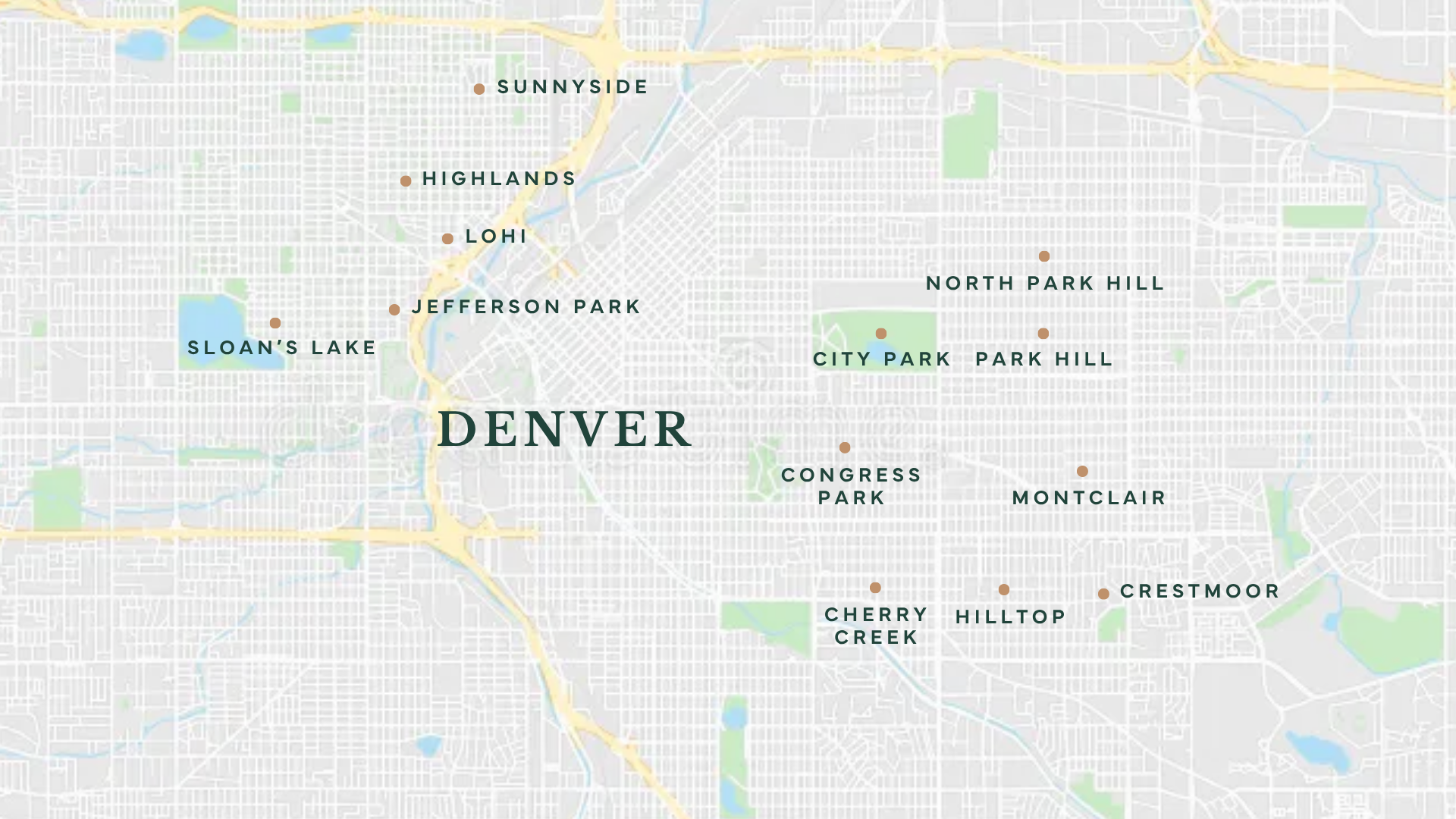
Denver neighborhoods with strong architectural character:
Park Hill / North Park Hill
Congress Park
City Park
Montclair
Crestmoor
Hilltop
Cherry Creek
LoHi
Highlands
Sunnyside
Sloan’s Lake
Jefferson Park
In many cases, homeowners are not trying to recreate the original home that was torn down. Instead, they want a home that feels appropriate to the area without looking overly modern or out of place.
Transitional Design Isn’t Just for Remodels
While transitional design is often associated with renovating older homes, many homeowners are now choosing to build entirely new custom homes in this style.
In neighborhoods like Hilltop, Crestmoor, and Park Hill, homeowners may scrape an existing house and build new while still wanting the finished home to feel established and connected to the surrounding architecture.
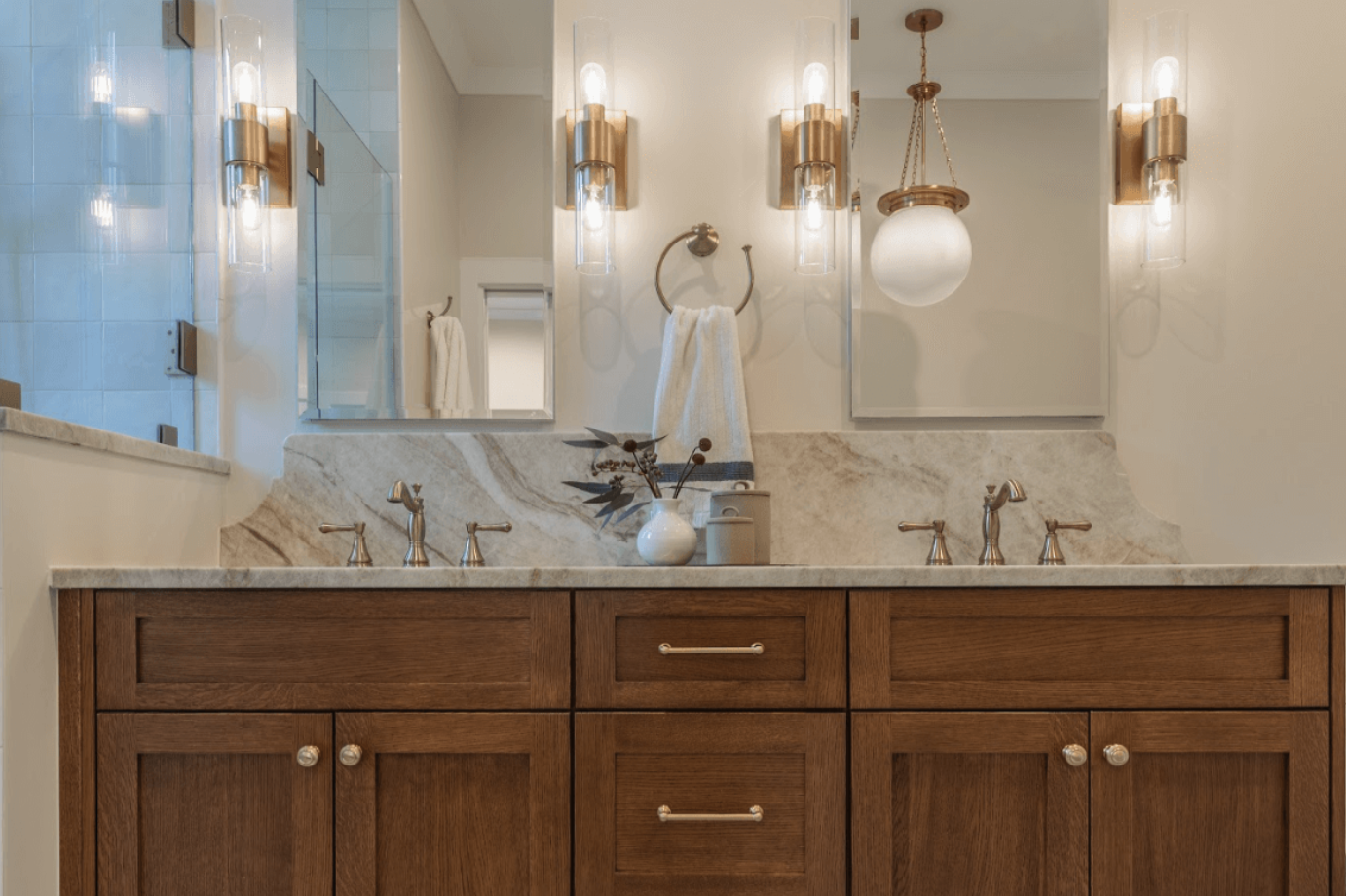
Rather than creating something starkly contemporary, transitional homes blend timeless proportions and architectural elements with updated layouts, larger windows, and modern functionality. The result is a home that feels fresh and current without feeling trendy.
What Homeowners Are Looking For
Whether remodeling an older home or building from the ground up, many homeowners are ultimately looking for the same things:
Better flow between kitchen, dining, and living spaces
Larger primary suites and improved storage
More natural light
Updated finishes that still feel warm and timeless
A home that feels current without losing character
For custom builds, the goal is often to create a home that feels established and connected to the neighborhood rather than overly trendy or starkly modern.
The Challenge of Transitional Homes
Transitional homes may feel more subtle than modern homes, but they require a thoughtful approach.
The biggest challenge is balance. Too modern, and the home can lose the warmth and character that make it feel timeless. Too traditional, and the home may still feel dated.
Successful transitional projects require:
Careful material selection
Respect for scale and proportion
Preserving the right architectural details
Understanding what should stay and what should change
For new custom homes, that often means balancing modern functionality with architectural elements that help the home feel grounded within the surrounding neighborhood.
How to Approach a Transitional Home
The most successful transitional homes start with a clear understanding of what makes the home or neighborhood special in the first place.
That may include:
Preserving original millwork or trim
Maintaining architectural proportions
Choosing materials that feel timeless rather than trend-driven
Creating layouts that support modern living without losing warmth or character
Working with the right architect and builder early in the process can help ensure those decisions feel cohesive from start to finish.
Thinking About Remodeling or Building a Transitional Home in Denver?
At Forest St. Builders, we help homeowners thoughtfully update older homes and build new custom homes that feel timeless, functional, and connected to the character of the neighborhood.
Whether you are planning a renovation, addition, or ground-up custom build, our team can help guide the process from design through construction.