

What Makes a Passive House Different From a High-Performance Home?
When clients come to us interested in building an energy-efficient home, we often hear the same question: Isn’t a high-performance home basically the same thing as a Passive House?
As we begin work on our first Passive House project in Denver, we have spent a lot of time answering that exact question ourselves. While both approaches prioritize efficiency, comfort, and sustainability, the difference lies in how performance is achieved, verified, and experienced over time.
Here is what we have learned as we take on our first Passive House build.
Where High-Performance Homes Can Fall Short in Denver
A well-built high-performance home can absolutely outperform conventional construction. Better insulation, upgraded windows, and efficient mechanical systems all make a meaningful difference. However, Denver’s climate exposes where many high-performance homes still struggle.
Between intense sun, rapid daily temperature swings, and prolonged cold snaps, small gaps in a home’s envelope can lead to uneven temperatures, drafts, and higher energy demand than expected. Even a home with high-end materials can underperform if those components are not working together as a complete system.
In many cases, energy efficiency is approached as a collection of upgrades rather than a fully integrated strategy.
Why Airtightness and Insulation Consistency Matter More Than Just Good Windows
High-quality windows are important, but they are only one piece of the puzzle. What truly sets Passive House construction apart is the relentless focus on airtightness and continuous insulation throughout the entire building envelope. Instead of treating insulation and air sealing as supporting players, Passive House places them at the center of the design process.
This level of consistency helps prevent common issues we see in Colorado homes, including:
Hot and cold spots from room to room
Drafts near windows or exterior walls
Interior temperature swings during rapid weather changes
Condensation leading to mold or other failure
When air leakage is minimized and insulation is uninterrupted, the home is better equipped to resist both heat gain from the sun and heat loss during winter cold snaps.
Designing for Performance Before Construction Begins
Before construction begins, extensive work goes into refining the home’s design to meet Passive House performance standards. This includes detailed energy modeling of the entire home to verify that it will achieve the required efficiency, comfort, and airtightness targets.
The modeling evaluates how the home performs throughout the year, accounting for Colorado’s climate and intense sun exposure. It identifies potential thermal bridges where heat or cold could bypass insulation, allowing us to fine-tune assemblies and eliminate weak points. We also study sun angles to optimize window placement, overhangs, and exterior sun screens, capturing beneficial winter sun while reducing summer heat gain.
This work is reviewed alongside a certified Passive House rater to ensure the design is fully vetted before ground is broken. The result is a home that performs as intended from day one: comfortable, durable, and exceptionally energy-efficient.
Verified Performance, Not Assumed Performance
One of the most meaningful differences between Passive House and traditional high-performance construction is verification.
Many energy-efficient homes are designed with good intentions, but their performance is rarely measured in a comprehensive way. Passive House standards require rigorous modeling, testing, and documentation to confirm that the home performs as designed.
This approach removes guesswork from the equation. Performance is not assumed based on materials or equipment alone. It is proven.
For homeowners, that means confidence that comfort and efficiency are not dependent on perfect conditions or ideal usage patterns. The house is designed to perform consistently, day in and day out.
Built for Denver’s Extremes
Passive House principles are especially effective in climates like Denver’s.
A home that can manage extreme sun exposure, sudden temperature drops, and wide daily swings creates a more stable indoor environment with far less effort. Interior temperatures remain consistent, humidity stays balanced, and reliance on traditional heating and cooling systems is significantly reduced.
The result is a home that feels calm and comfortable regardless of what is happening outside.
What This Means for Our Passive House Project
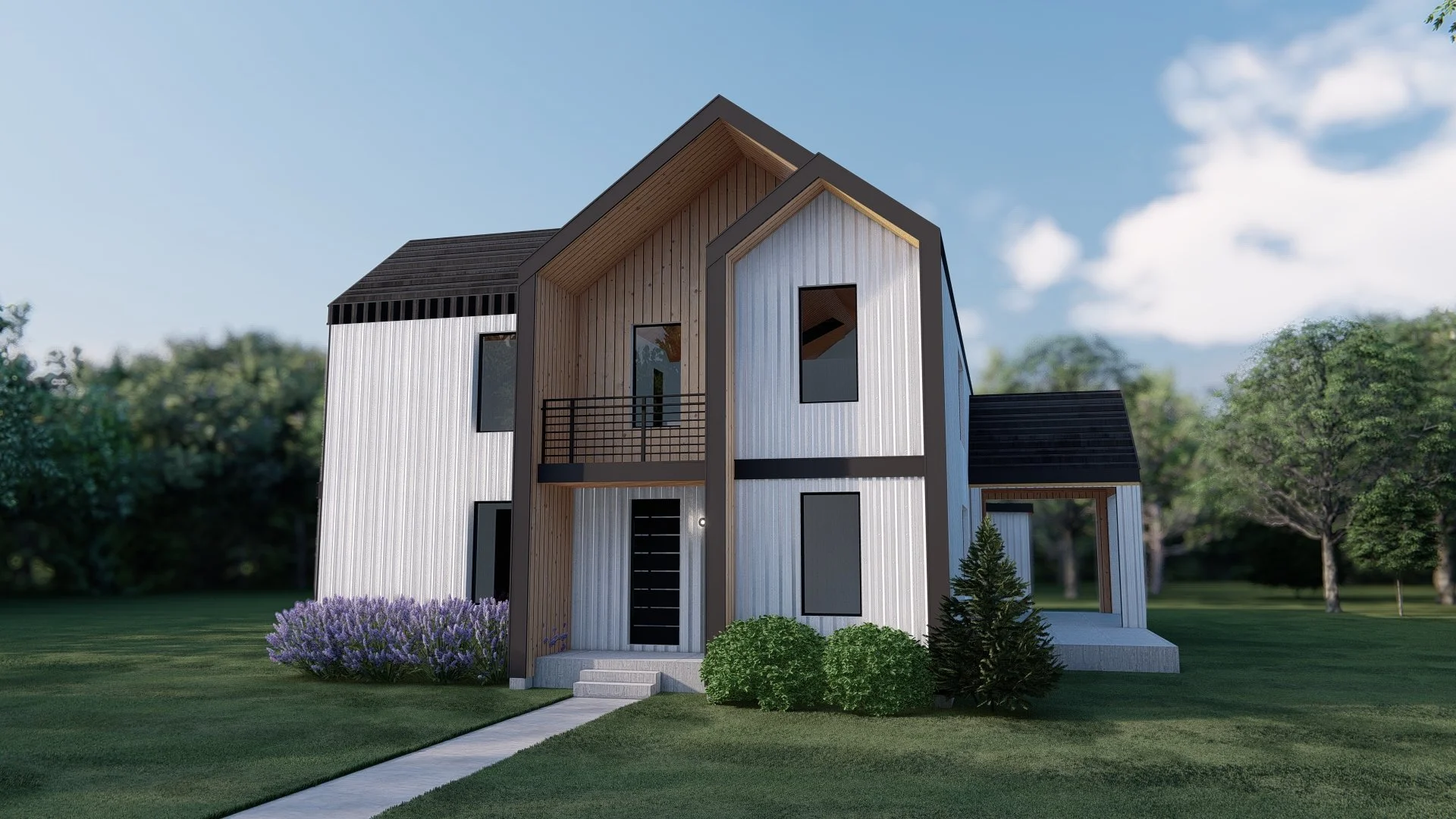
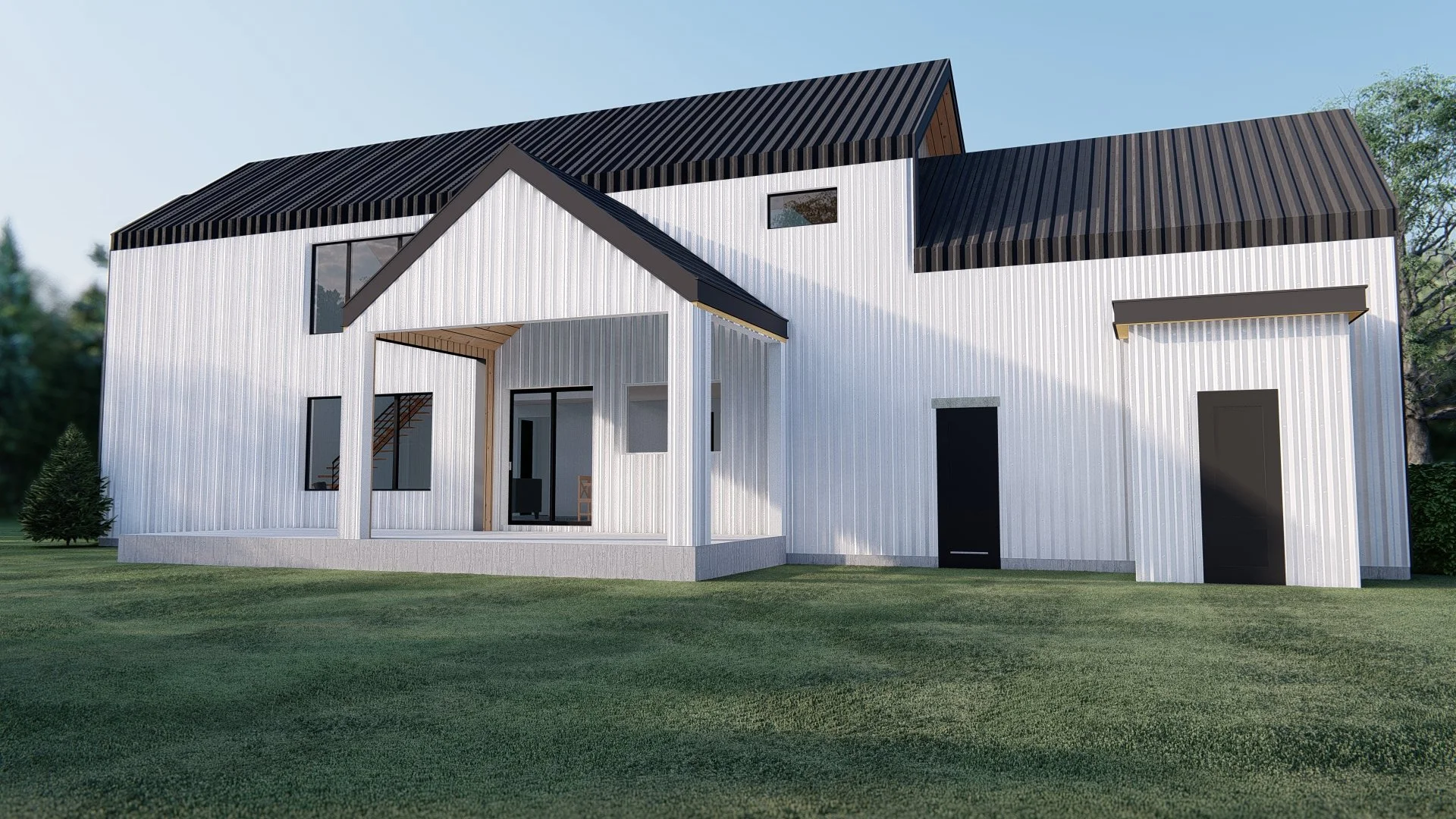
Our current Passive House project is a 5 bed, 4 bath, 4,800 square foot home designed for family living, hosting, and long-term comfort. Open living spaces and tall vaulted ceilings are paired with a carefully designed building envelope that works continuously to regulate temperature and humidity.
This project represents an important step forward for us. It reflects how building science, thoughtful design, and real-world livability can come together in a way that feels both intentional and effortless.
As we continue this process, we look forward to sharing more about what goes into building a Passive House and how these lessons will influence future Forest St. homes.
If you are exploring energy-efficient home design and want to understand what Passive House could mean for your project, let’s start with a conversation and walk through the options together.