

What Denver Homeowners Should Know About High-Performance Construction
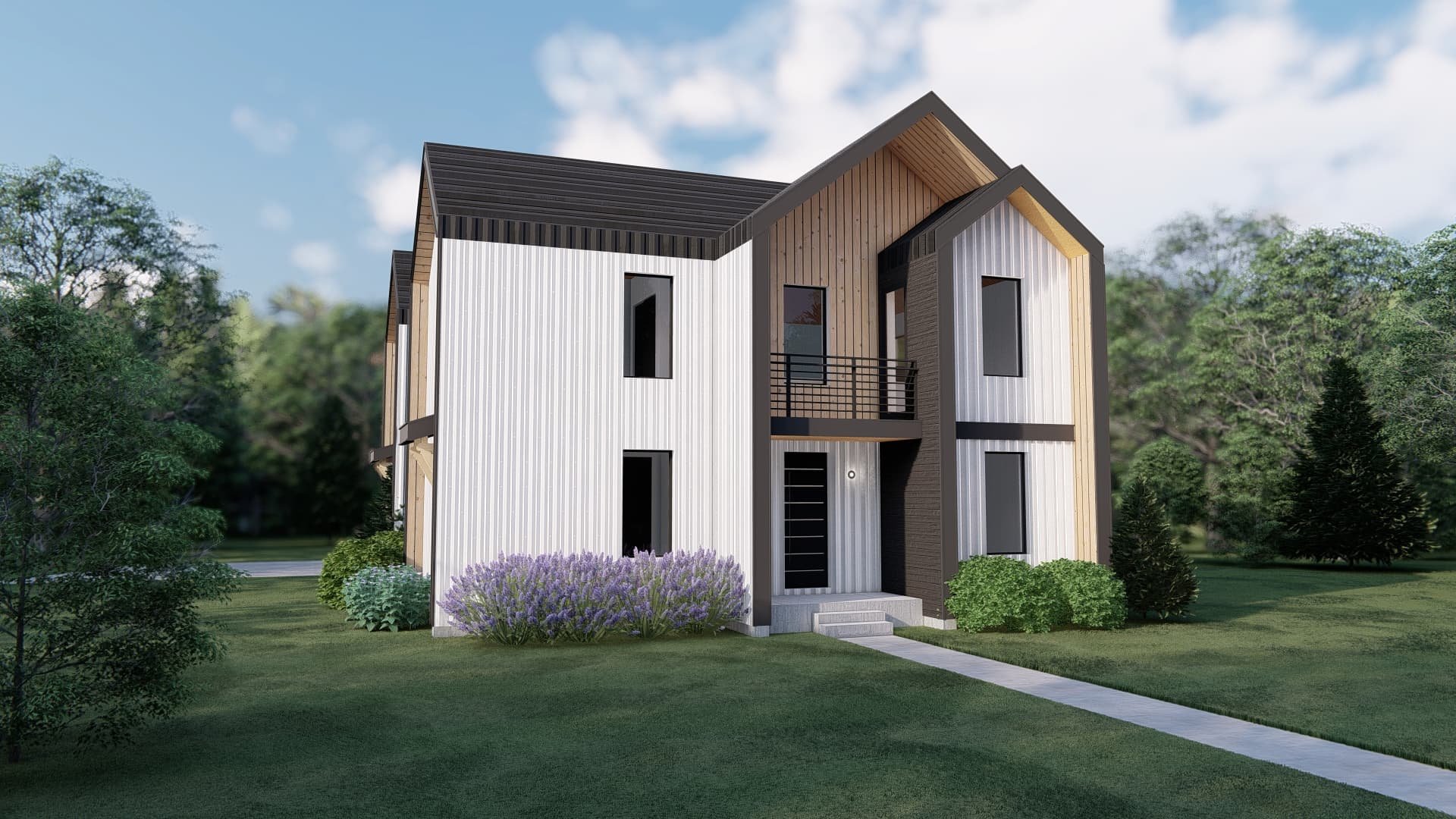
When you’re planning a custom home or major renovation, it’s easy to focus on the features you’ll see every day: the layout, kitchen, windows, finishes, and outdoor spaces. But some of the most important decisions happen behind the walls.
Insulation, air sealing, ventilation, moisture management, windows, and mechanical systems all affect how comfortable, healthy, efficient, and durable your home will be. Considering these details early can improve the way your home feels and performs for years to come.
Our founder, Ian Price, recently joined EMU Passive and other Colorado building professionals for a panel on high-performance construction. The conversation explored what builders are learning in the field and what homeowners should understand before beginning a custom home or major renovation.
You can watch the full panel discussion or keep reading for five of the most important takeaways.
1. Decide How You Want Your Home to Perform
Before choosing specific products or construction methods, think about how you want your home to perform, or what you want your home to do better.
Your priorities might include:
Maintaining more consistent temperatures
Improving indoor air quality during wildfire season
Reducing drafts and energy use
Managing moisture more effectively
Creating a quieter interior
Supporting long-term durability
Once you establish these goals, your architect, builder, and energy consultant can help you determine which improvements will provide the most value.
New Homes and Renovations Require Different Approaches
When you’re building a custom home, performance goals can influence its orientation, layout, insulation, windows, ventilation, and heating and cooling systems from the beginning.
A major renovation requires a different approach. Your project team first needs to evaluate the existing structure and determine which improvements make sense for the home.
Older Denver properties can have air leaks, limited insulation, outdated mechanical systems, and hidden moisture issues. Understanding these conditions helps your builder recommend improvements that are realistic within your project’s scope and budget.
Establish Your Goals Early
During the panel, Ian shared that Forest St. Builders’ recent Passive House project shifted toward certification after the original permit had already been released. The team successfully adapted the project, but the change required additional planning and close coordination among the architect, consultants, project team, and trade partners.
The experience reinforced an important lesson for homeowners: the earlier you establish your goals, the more effectively your design, scope, and budget can work together.
Our guide to preparing for a custom home build explains why these conversations should begin before your plans are finalized.
2. High Performance Isn’t All or Nothing
You don’t have to pursue Passive House certification to create a home that performs better.
High-performance construction exists on a continuum. You may decide to pursue full certification, or your project team may recommend individual strategies based on your priorities, home, and budget.
These improvements could include:
A carefully sealed building envelope
Better insulation in vulnerable areas
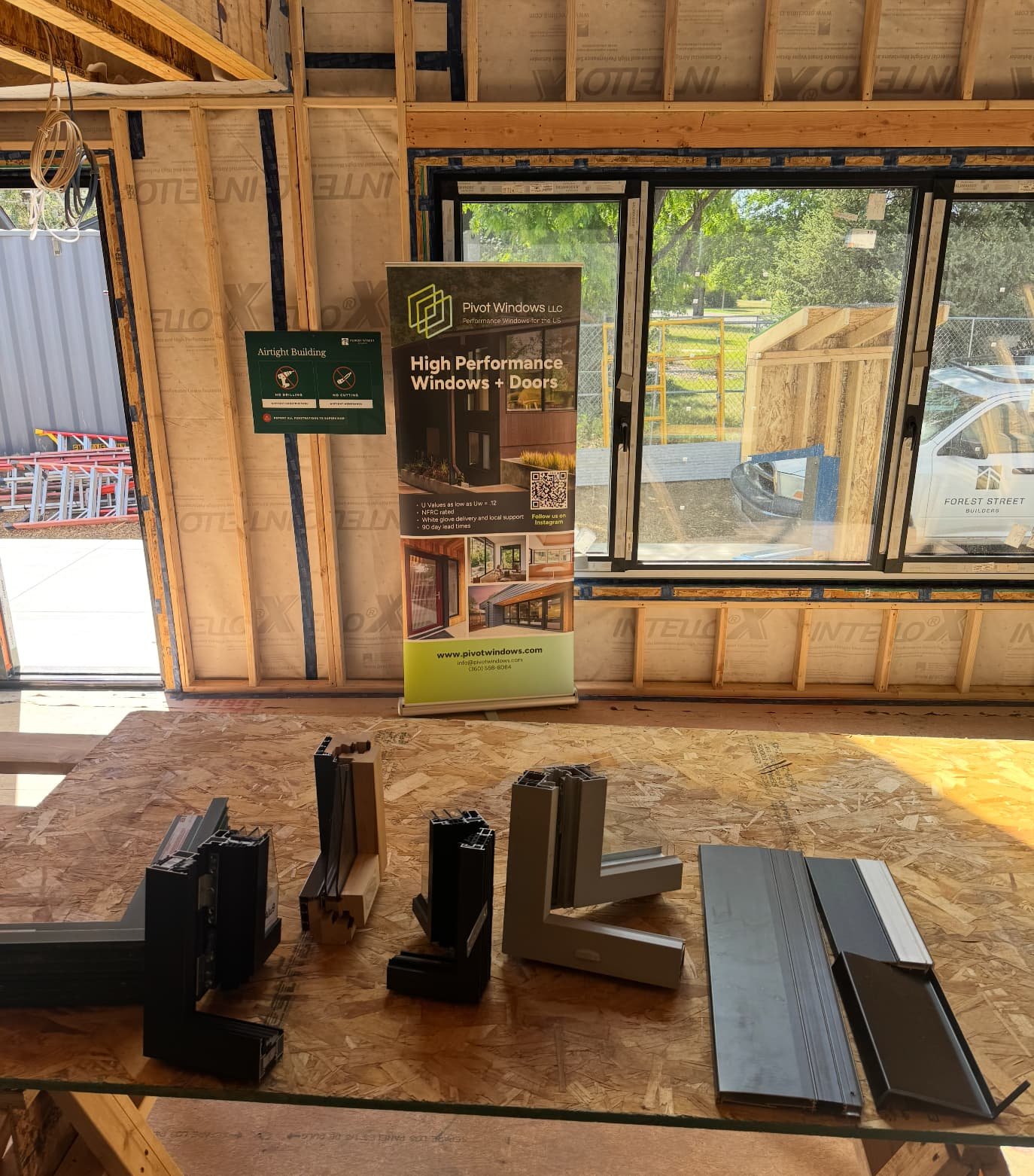
High-quality windows and exterior doors
A balanced ventilation system
Thoughtful moisture management
Efficient heating and cooling systems
Testing during construction
The right combination will be different for every project.
A custom home gives your team the opportunity to coordinate these elements from the ground up. During a renovation, your builder may recommend a more targeted approach that improves comfort and performance while working within the existing structure.
The goal is to understand your options and make intentional decisions about where to invest.
Learn what separates a Passive House from a high-performance home.
3. Look Beyond Energy Savings
Energy efficiency is an important benefit of high-performance construction, but it isn’t the only one.
A better-performing home may also provide:
More consistent indoor temperatures
Fewer drafts and cold spots
Quieter interior spaces
Better humidity control
Cleaner, filtered air
Greater long-term durability
These benefits can be difficult to represent on a spreadsheet, but they affect how your home feels every day.
Indoor Air Quality Matters in Colorado
Wildfire smoke, outdoor pollution, allergens, and changing weather conditions can all affect the air entering your home.
A carefully sealed building envelope can reduce uncontrolled outdoor air from entering through cracks and gaps. When paired with a balanced ventilation system, your home can bring in filtered outdoor air while removing stale indoor air and excess moisture.
This doesn’t mean sealing your home and leaving it closed off. It means giving you greater control over how air enters and moves through the space.
As Ian explained during the panel, this is where your family lives. Comfort, health, and durability should be considered alongside utility savings when deciding which performance improvements are worth the investment.
4. Execution Matters as Much as Design
A high-performance home can be carefully designed, but those plans still have to be carried through during construction.
Insulation, windows, ventilation, and mechanical systems are interconnected. A missed detail in one area can affect how the entire home performs.
Pay Attention to Connections
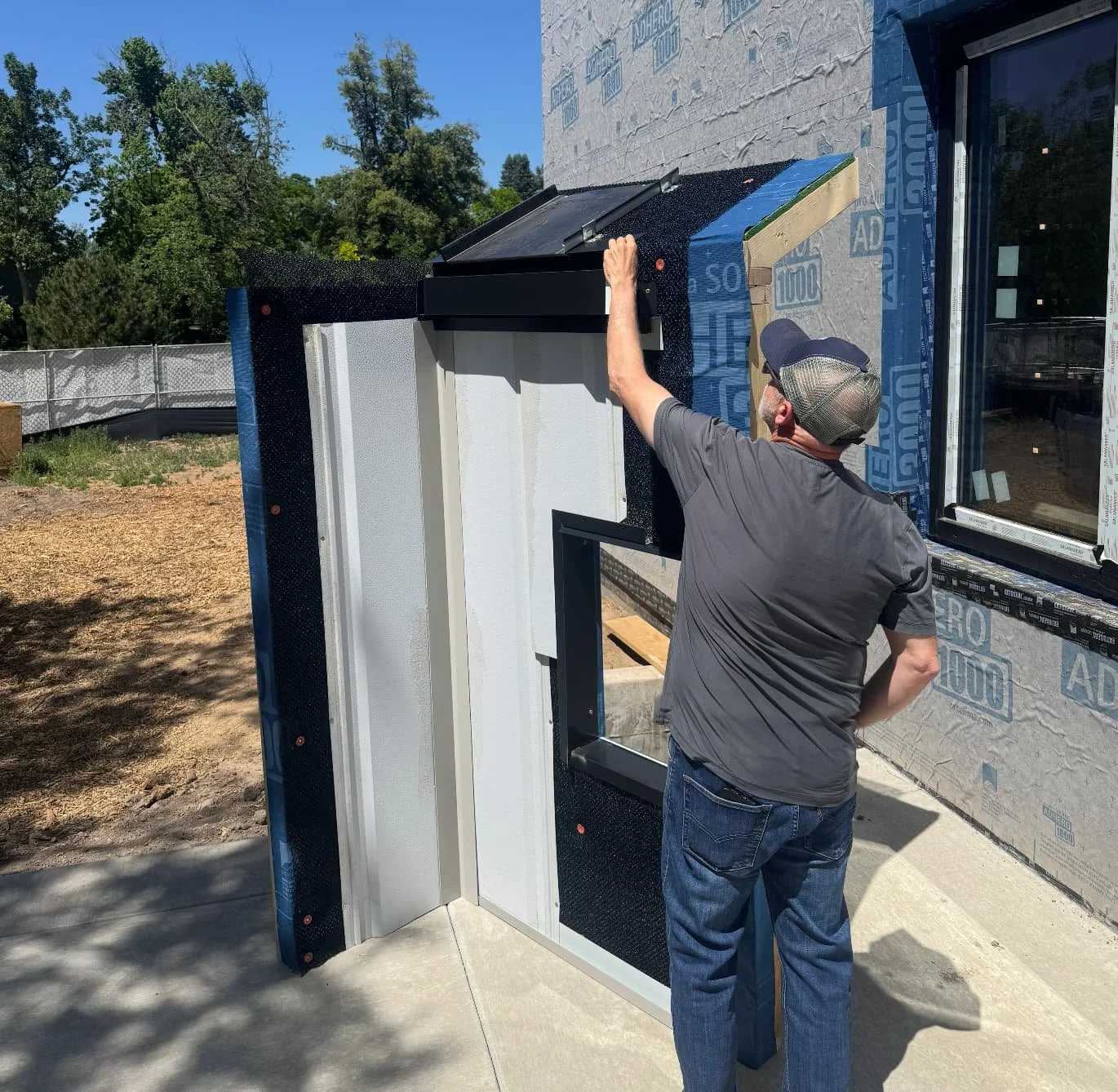
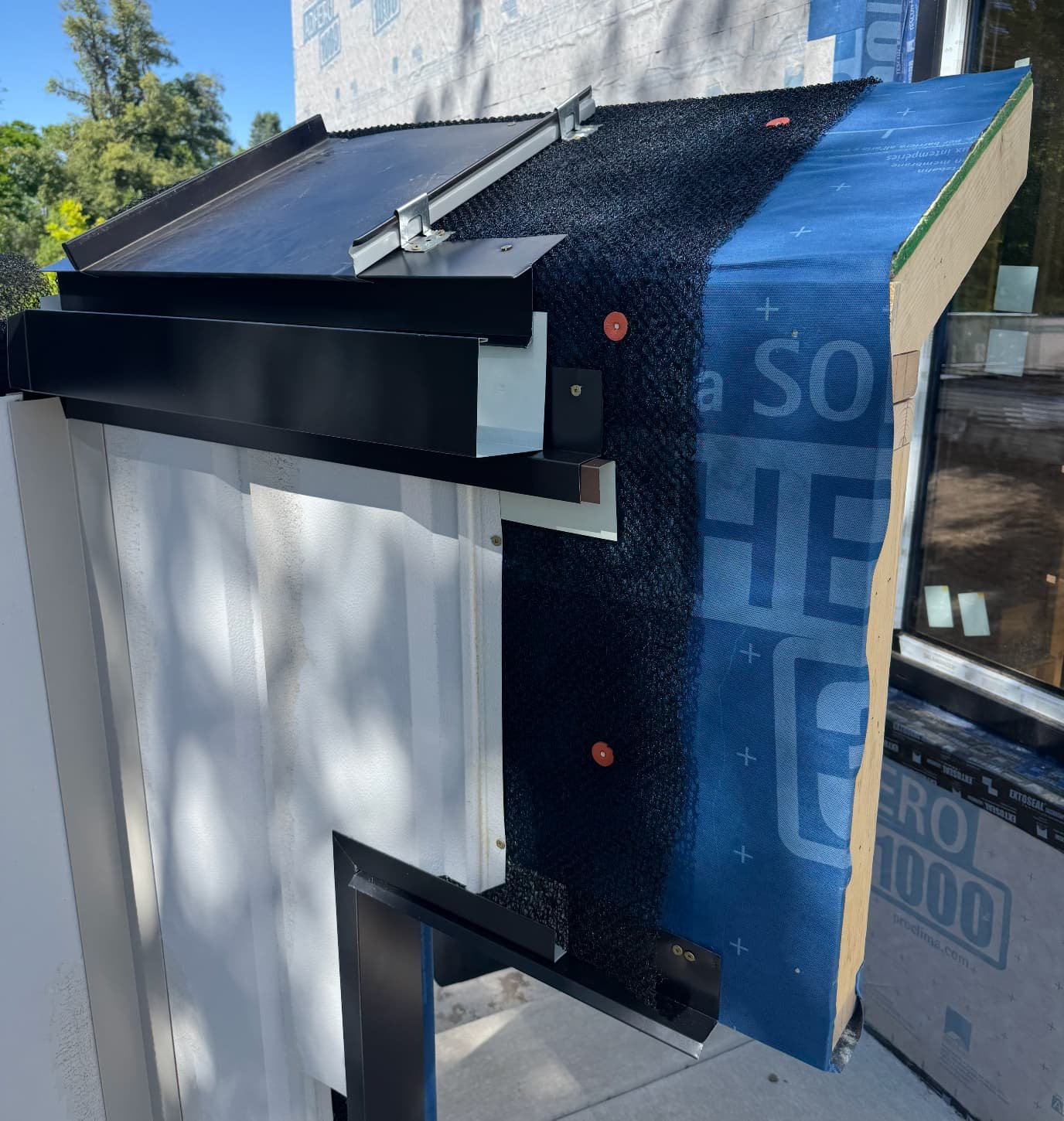
Problems often occur where two materials or parts of the home meet.
These areas may include:
Where an exterior wall connects to the roof
Around windows and exterior doors
Where plumbing or electrical lines pass through an exterior wall
Along foundations, crawl spaces, and basement walls
Where a new addition connects to the existing home
Around the connection between the floors and walls
These connections require coordination among your architect, builder, energy consultant, project manager, and trade partners.
That coordination becomes especially important during a renovation. Once demolition begins, your builder may uncover structural conditions, older materials, moisture issues, or air leaks that weren’t visible during design. The team then needs to determine how the new work should connect to the existing home without creating new weak points.
Carry the Details Into the Field
Before work begins, your builder should review critical details with the full project team. Everyone involved should understand what needs to happen, when it needs to happen, and how their work connects to your home’s larger performance goals.
Throughout construction, your builder should:
Review key connections before installation
Inspect work while walls and assemblies are still accessible
Coordinate transitions between materials and systems
Address potential gaps before they’re covered
Test the home to confirm it performs as intended
When evaluating builders, look beyond their finished portfolio. Ask how they coordinate technical details, communicate with trade partners, document decisions, and verify completed work.
Our guide to choosing a custom home builder in Denver includes additional questions to consider.

5. Test the Home Instead of Assuming It Works
High-performance construction depends on verification.
Before construction, energy modeling can help your project team compare different materials, systems, and design strategies. During construction, inspections and testing can help confirm that the planned improvements were installed correctly.
One common tool is a blower door test. This test temporarily places a calibrated fan in an exterior doorway to measure how much air is leaking through gaps in the home.
Test While Problems Can Still Be Corrected
Testing should happen while your builder can still access and correct important areas. Finding an air leak before drywall is installed is much easier than finding it after the home is complete.
Testing can be valuable even when certification isn’t your goal. It gives you and your builder evidence that the home is performing as intended.
It can also help protect your investment. Upgraded windows, insulation, and mechanical systems add cost, but their value can be reduced if they’re installed incorrectly or the surrounding details aren’t coordinated.
When reviewing an estimate, ask what planning, supervision, inspections, and testing are included. Don’t focus only on the products listed in the proposal or the total at the bottom of the page.
Our guide to budgeting for a custom home or remodel in Denver explains what else you should consider when comparing estimates.
Questions to Ask Your Project Team
You don’t need to become a building-science expert before starting your project. Your architect and builder should help you understand the options and determine which improvements make sense for your home.
Consider asking:
How will we establish the home’s performance goals?
Should an energy consultant be involved during design?
How will new construction connect to the existing home?
What ventilation and filtration strategies do you recommend?
How will air sealing and insulation details be communicated?
Will the home undergo blower door testing?
How are performance priorities reflected in the budget?
Who will inspect and verify critical details?
The answers can tell you a great deal about how your project team approaches planning, communication, quality, and long-term performance.
Building a Better Home Starts With Better Questions
The biggest takeaway from the panel was that high-performance construction is a team effort. It depends on clear goals, early collaboration, careful execution, and testing throughout the build.
For homeowners, that means performance shouldn’t be treated as an upgrade to consider after the plans are complete. It should be part of the conversation from the beginning.
Whether you’re building a custom home or renovating an older Denver property, Forest St. Builders can help you evaluate strategies that support greater comfort, healthier indoor air, long-term durability, and more efficient performance.
Frequently Asked Questions About High-Performance Homes in Denver
-
A high-performance home is designed and built to provide greater comfort, healthier indoor air, lower energy use, and better long-term durability. In Denver’s climate, that means carefully coordinating air sealing, insulation, windows, ventilation, moisture management, and mechanical systems. Forest St. Builders helps Denver homeowners evaluate these elements as part of a complete plan for the home.
-
A high-performance home uses building practices that improve comfort, efficiency, air quality, and durability, but it doesn’t have to meet a specific certification standard. A certified Passive House must satisfy defined requirements for airtightness, energy use, insulation, windows, and ventilation. Forest St. Builders draws on firsthand Passive House experience to help Denver homeowners determine the right performance goals for their custom home or renovation.
-
Yes. An older Denver home can often be improved through better insulation, air sealing, windows, ventilation, and updated heating and cooling systems. Forest St. Builders evaluates the home’s existing structure and conditions before helping the project team prioritize improvements that align with the homeowner’s goals, scope, and budget.
-
A high-performance home may require a larger initial investment, depending on its design, materials, systems, and performance goals. Forest St. Builders helps homeowners consider these decisions early, compare their potential benefits, and focus the construction budget on improvements that can provide meaningful comfort, efficiency, and long-term value.
-
A carefully sealed home can reduce the amount of wildfire smoke, pollution, allergens, and unfiltered outdoor air entering through cracks and gaps. When paired with balanced ventilation and effective filtration, the home can bring in fresh, filtered air while removing stale air and excess moisture. Forest St. Builders coordinates these systems with the home’s design to support healthier indoor spaces throughout Denver’s changing seasons.
-
Energy modeling, inspections, and performance testing can help confirm that a Denver home was built according to its performance goals. A blower door test measures air leakage and identifies gaps that may need to be corrected. Forest St. Builders uses careful inspections, project-team coordination, and appropriate performance testing to help verify that critical details are carried through during construction.